Home » NIROGI Diviya
Nirogi Diviya – National community-level health promotion
Objective:
- To implement a sustainable, community-led health promotion model focused on reducing the behavioral risk factors of NCDs, particularly diabetes.
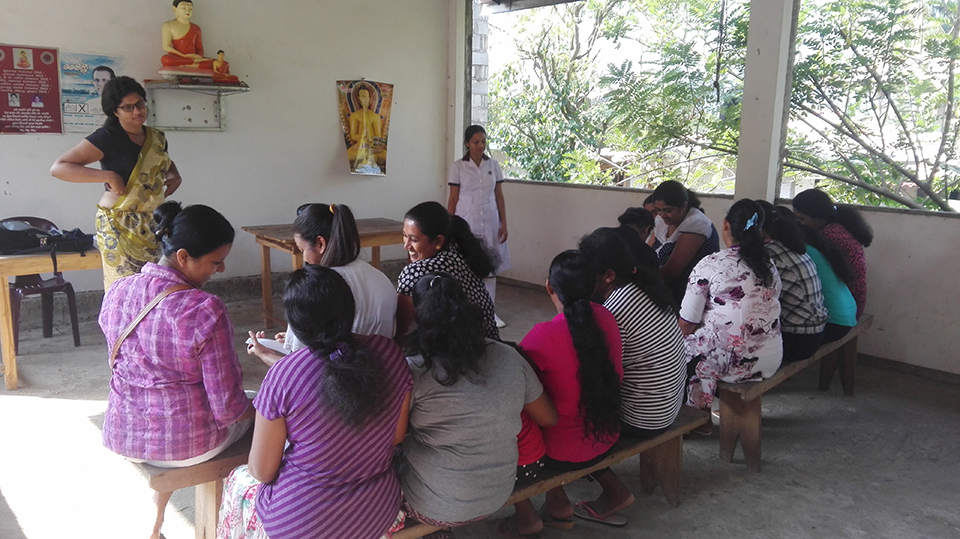
- To empower individuals and communities to take collaborative action to promote healthier lifestyles in urban, suburban, and rural settings.
- To train Health Promotion Officers (HPOs) as a novel inclusion to the public health workforce for ongoing grassroots-level engagement and facilitation.
- To establish long-term, self-sustained health promotion settings integrated into the existing healthcare system.
Justification:
Despite increased awareness, behavior change in the general population remains a major challenge in preventing diabetes and other NCDs. Traditional top-down, expert-led approaches have shown limited long-term impact. NIROGI Diviya introduces a bottom-up, facilitator-supported model that promotes community engagement in health behavior change. This model addresses a key service gap in the current health sector, which is the absence of a continuous, participant-driven approach to behaviour modification.
Achieved Outcomes
- Behavioral risk reduction: Decreased prevalence of unhealthy diets, physical inactivity, tobacco/alcohol/substance use, and improved mental health and well-being.
- Community empowerment: Participants independently leading health initiatives and
forming secondary and tertiary health promotion settings. - Health system integration: Recognition of the HPO as an official job cadre and adoption of the NIROGI HP model into national policy frameworks.
- Sustainable model: Health promotion activities continue without financial incentives, driven by community ownership and outcome-based monitoring.
National and Global Recognition:
- Used as a model for the Ministry of Health and integrated into the “Active Lanka” project.
- NIROGI Lanka chairperson contributed to the 2020 Physical Activity Guidelines by the WHO.
- Educational and media resources (print, video, social media) are made freely accessible and used in higher education, workshops and conferences.